
Understanding Different Types of Cookware Materials
When it comes to equipping your kitchen, understanding the different types of cookware materials is crucial for making informed choices that enhance your culinary experiences. Each material offers distinct advantages and unique characteristics that can influence the cooking process and, ultimately, the taste of your food. Let’s delve into some of the most common cookware materials available.
Stainless Steel
Renowned for its durability and resistance to rust, stainless steel is a staple in many kitchens. It is non-reactive, meaning it won’t alter the flavor of acidic foods. This material is often combined with other metals like aluminum or copper to improve heat conductivity.
Cast Iron
Cast iron cookware is beloved for its exceptional heat retention and even cooking. Perfect for slow-cooking recipes, it requires seasoning to maintain its non-stick properties. While heavier than other materials, its robust nature ensures longevity.
Non-Stick
Non-stick pans are ideal for cooking with minimal oil, making them a favorite for health-conscious cooks. They are easy to clean and perfect for cooking delicate foods like eggs or pancakes. However, they require careful handling to maintain the integrity of the non-stick surface.
Copper
Known for its excellent heat conductivity, copper cookware allows for precise temperature control. It heats up quickly and cools down just as fast, making it ideal for dishes that require delicate cooking techniques. To prevent reaction with acidic foods, copper is often lined with stainless steel.
Aluminum
Lightweight and affordable, aluminum cookware is a great heat conductor. It’s often anodized to increase its durability and prevent chemical reactions with certain foods. This makes it a versatile choice for everyday cooking.
Choosing the right cookware involves balancing your culinary needs with the benefits each material provides. Whether you’re searing a steak or simmering a sauce, the right cookware can make all the difference.
Assessing Your Cooking Needs
When it comes to equipping your kitchen with the ideal cookware, the first and foremost step is to assess your cooking needs. Understanding your culinary habits and preferences is crucial to making informed decisions that enhance your cooking experience. This assessment not only aligns your cookware choices with your lifestyle but also ensures that you invest in products that will truly serve your kitchen escapades.
Understanding Your Cooking Style
Begin by contemplating the types of dishes you frequently prepare. Are you an aficionado of gourmet cuisine, or do you often whip up quick and easy meals? Do you enjoy baking, sautéing, or steaming? Each cooking style demands different types of cookware, from non-stick pans for everyday use to cast iron skillets for those who relish in slow-cooked meals. Knowing your style allows you to prioritize essential pieces that suit your culinary endeavors.
Frequency and Volume of Cooking
Consider how often you cook and for how many people. If you’re cooking daily for a family, durable and versatile cookware is paramount. For those who cook occasionally, opting for a few high-quality pieces might suffice. This consideration helps you determine the quantity and durability of cookware required.
Space and Storage Considerations
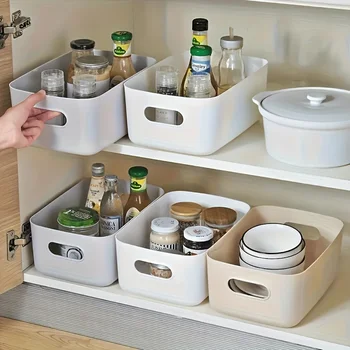
Another aspect to consider is your kitchen space and storage capacity. Compact kitchens may require efficient, stackable cookware sets that save space, while larger kitchens can accommodate a diverse array of pieces. This assessment helps in avoiding clutter and ensures your kitchen remains a functional space.
By thoroughly understanding these aspects of your cooking needs, you can make confident choices that align with your culinary lifestyle.
Evaluating Heat Conductivity and Retention
When selecting cookware, understanding the nuances of heat conductivity and retention is crucial. This knowledge not only influences the efficiency of your cooking but also the quality of the dishes you prepare. Heat conductivity refers to how quickly and evenly a material can transfer heat from the stove to the food. Cookware with excellent heat conductivity, such as copper or aluminum, ensures that your food cooks uniformly, reducing the chances of hot spots that can lead to uneven cooking or burning. On the other hand, heat retention is a measure of how well the cookware maintains heat once it has been warmed. Cast iron and stainless steel are champions of heat retention, ideal for dishes that require a consistent temperature over a long period.
Understanding Material Choices
Different materials offer varying benefits in terms of heat conductivity and retention:
- Copper: Renowned for its superior heat conductivity, copper cookware heats up quickly and adjusts to temperature changes rapidly.
- Aluminum: Lightweight and affordable, aluminum also provides excellent heat conductivity and is often anodized to improve its durability.
- Stainless Steel: While not the best conductor of heat, stainless steel is often combined with aluminum or copper cores to enhance its performance. It excels in heat retention, making it perfect for slow-cooking recipes.
- Cast Iron: Known for its incredible heat retention, cast iron is ideal for searing meats and simmering stews, where maintaining a steady temperature is key.
By prioritizing cookware that balances both heat conductivity and retention, you can ensure that your culinary creations turn out perfectly every time.
Considering Durability and Longevity
When selecting cookware for your kitchen, durability and longevity should be at the forefront of your decision-making process. It’s not just about buying pots and pans that look appealing on your stovetop, but about investing in quality products that stand the test of time. Durable cookware means less frequent replacements, which ultimately saves you money and reduces environmental waste.
Material Matters
The material of your cookware plays a pivotal role in its durability. Stainless steel, for instance, is highly valued for its strength and resistance to corrosion. It is a popular choice not only for its robust nature but also for its ability to maintain its shiny appearance even after years of use. Cast iron is another excellent choice, known for its unparalleled heat retention and ability to last for generations with proper care. On the other hand, non-stick pans, while convenient, may require more frequent replacement due to the wear-and-tear of the coating.
Construction Quality
Beyond material, the construction quality of cookware affects its lifespan. Opt for options with heavy bases, as these provide better heat distribution and reduce the risk of warping over time. Reinforced handles and rivets ensure stability and strength, particularly when handling heavy dishes.
In essence, while it might be tempting to go for the cheapest option available, investing in durable cookware is a commitment to quality that pays off in the long run. For more insights on selecting the right cookware for your kitchen, explore our product collection.
Balancing Budget and Quality
When embarking on the journey to find the perfect cookware for your kitchen, striking a balance between budget and quality is paramount. It’s a common conundrum for many home cooks who want to invest in durable, high-performing kitchenware without breaking the bank. The key is to prioritize what features are most important to you and understand where you can afford to compromise.
First, consider the type of cooking you do most frequently. If you’re an avid chef who often experiments with elaborate recipes, investing in high-quality pans made from durable materials such as stainless steel or cast iron might be worthwhile. These materials offer excellent heat distribution and retention, making them ideal for a variety of cooking techniques. On the other hand, if your cooking is more about quick, everyday meals, non-stick options can be a cost-effective choice that still provides decent performance.
Next, focus on the versatility of the cookware. Pieces that serve multiple purposes, such as a Dutch oven or a sauté pan, can save money and space. Investing in fewer, but more versatile pieces, ensures you get the most out of your kitchen essentials without overspending.
Additionally, keep an eye out for seasonal sales or bundle deals, which can offer significant savings on quality brands. When shopping, consider reading reviews and checking warranty information to ensure you’re purchasing reliable products that will stand the test of time.
Ultimately, balancing budget and quality doesn’t mean sacrificing one for the other. It’s about making informed decisions that align with your cooking style and culinary goals. Visit our shop page for products and more to explore options that fit your needs.

0 Comments